At some point, anyone with cattle has stood in the pasture and swatted at flies. All of us have seen cattle twitching their ears, or flipping their switch to keep the flies away. Not only are flies an animal health and welfare issue, but they can also impact your economic bottom line. It has been reported that calves grown without any method of fly control can have weaning weights of up to 15 pounds less than calves that have been protected from flies, costing the industry an estimated 1 billon dollars annually in lost production. This is especially a problem during summer calving, making fly control an essential management tool for any summer calving herd.
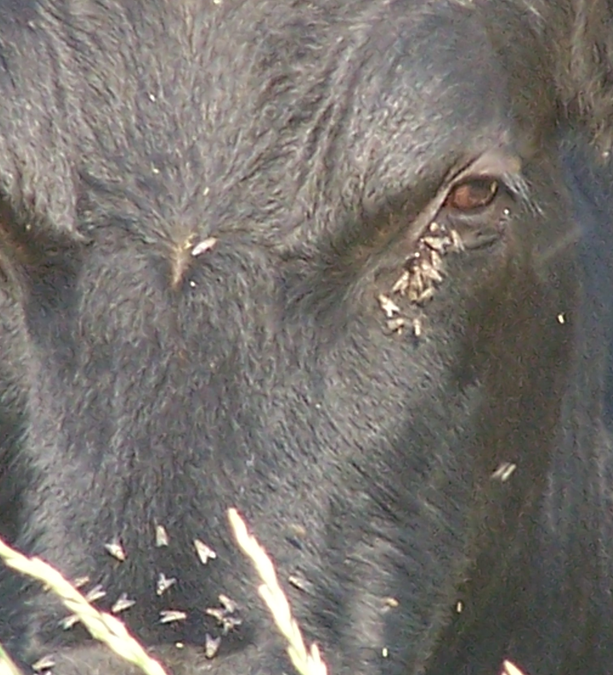
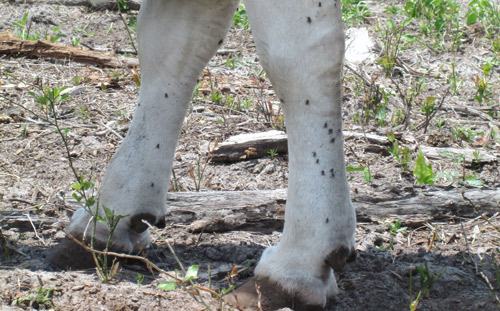
There are three major types of flies to control on pastured cattle: horn flies, face flies, and stable flies.
Horn Flies
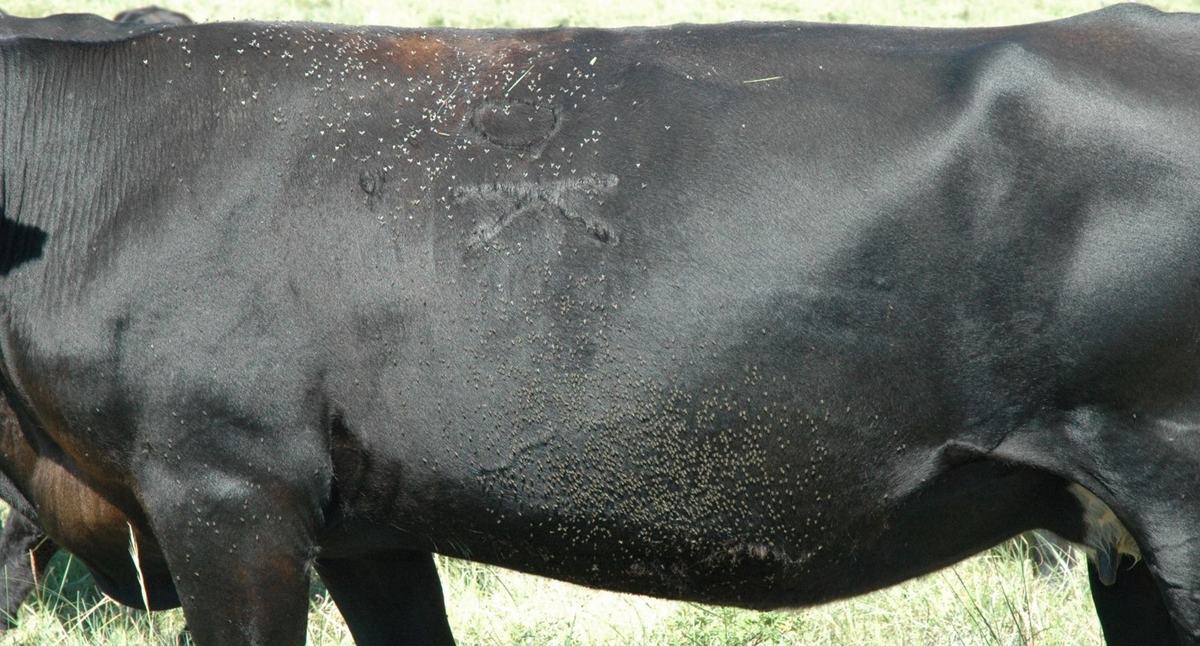
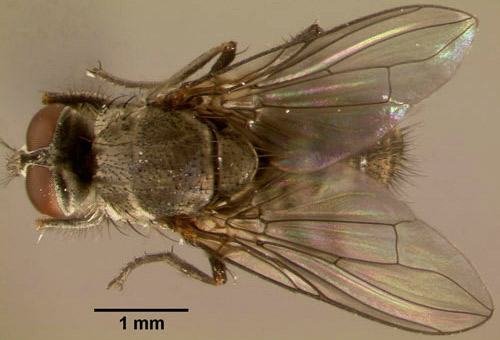
Horn flies are typically very small, less than 1/4", and are seen on the poll, back, sides, and sometimes stomach of animals. Horn flies feed on animal blood by using their needle-like mouth parts to consume up to 30 blood meals from animals daily. Their eggs are deposited in manure pats and hatch there. Horn flies will travel several miles searching for animals if necessary. Their life cycle can take 10-20 days.