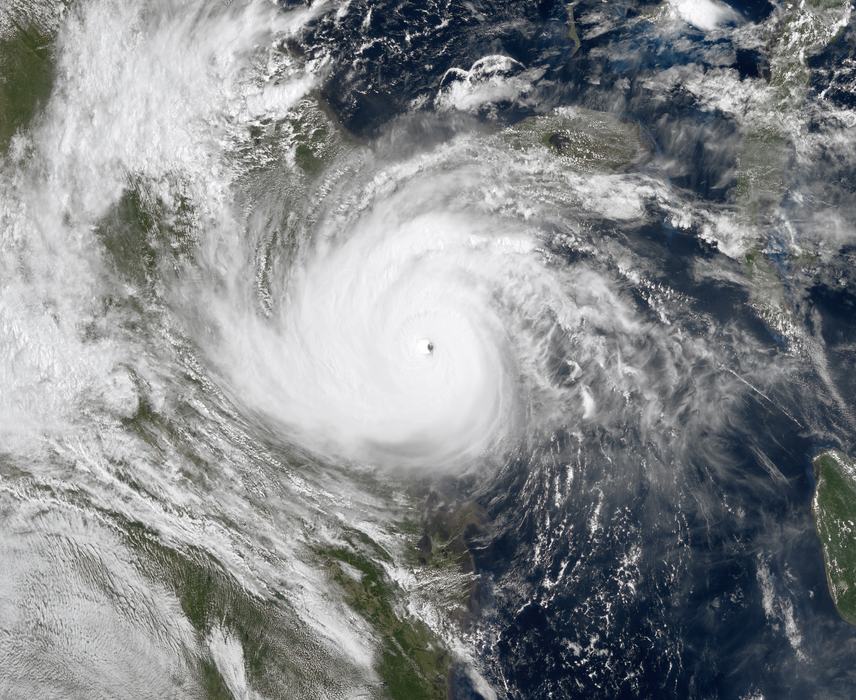
Hurricane season is upon us and there are things that you can do to prepare.
Hurricane season begins June 1st and goes until November 30th. This is the time of year when seas are at their warmest and are the most humid. The peak months are August and September. Even though Stokes County is not on the coast, hurricanes can still impact our area.
A hurricane is a tropical storm whose winds have reached a speed of 74 miles per hour or more.
Storm Categories- Tropical Depression
- 38 mph winds or less
- Tropical Storm
- 39-73 mph winds
- Category One Hurricane
- 75-95 mph winds
- Category Two Hurricane
- 96-110 mph winds
- Category Three Hurricane
- 111-130 mph winds
- Category Four Hurricane
- 131-155 mph winds
- Category Five Hurricane
- 155 mph winds or greater
Any of these storms can bring flash flooding or tornadoes to the area.
For flood safety, avoid areas that are subject to sudden flooding. You never want to drive, walk, or swim through floodwaters. It takes as little as two feet of water to sweep cars away and six inches of water to knock someone off of their feet. For tornado safety, stay tuned to the local television and radio stations for warning instructions. Seek shelter immediately and always protect your head during a tornado. Go to an interior room of the house or basement.
There are a few things you can do for good food safety during natural disasters:- Purchase thermometers for your refrigerator and freezer
- Prep foods that don’t require refrigeration
- Store clean water
- Prep coolers with ice or dry ice
Preparing for a Hurricane
A thermometer is useful in a freezer because as long as foods stay at or below 41° F they are still safe to eat. They can either be refrigerated or re-frozen. Having a full freezer will keep your foods at a lower temperature for a longer period of time. For more information on keeping food after a power outage, check out Recovering from a Hurricane: Frozen and Refrigerated Food.
Also, consider prepping foods that do not need to be refrigerated or cooked.
Resources
Prepping for the Hurricane Season
Disaster Preparedness: Food Safety