-
- We have been having problems with internal parasites due to our hot and unusually wet conditions. Contact April if you need help doing a fecal egg count. Only deworm the animals that need to be dewormed (targeted deworming).
- Formulate a plan for your fall fertilizer application. Fescue can benefit from some Nitrogen the first of September. Apply Phosphate and Potash as called for on your soil report results. Put out 15 lbs Phosphate and 40 lbs Potash per ton of hay harvested from hayfields.
- Plan to graze your Fescue before fertilizing, and then consider stock-piling it for winter grazing (let your fall growth accumulate for grazing in the dormant season after frost).
- It will soon be fall planting time. Apply any needed herbicides at least 45 days before planting (anyone got any horse nettle???). Forty-five days before September 15 was Aug. 1st! See the forage planting guide.
- Order grass seed NOW!
- If you plan to renovate KY31 Fescue fields to novel endophyte in the future, I would recommend planting an annual like wheat, triticale, oats, or rye (not ryegrass) this fall, and warm-season annuals next spring
- Do maintenance on your no-till drill, or contact Soil and Water about renting or 336-593-2490.
- Continue to dilute KY-31 Fescue toxicosis with hay, legumes (clover), etc., as well as to help cover any "summer slump" in forage growth with hay.
- Scout for Fall Armyworms.
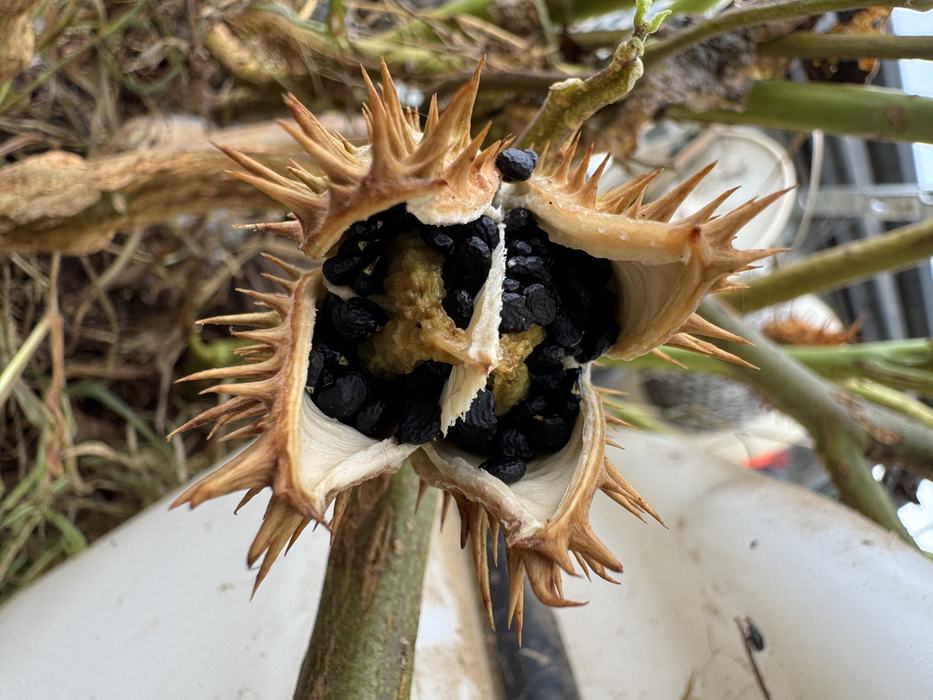
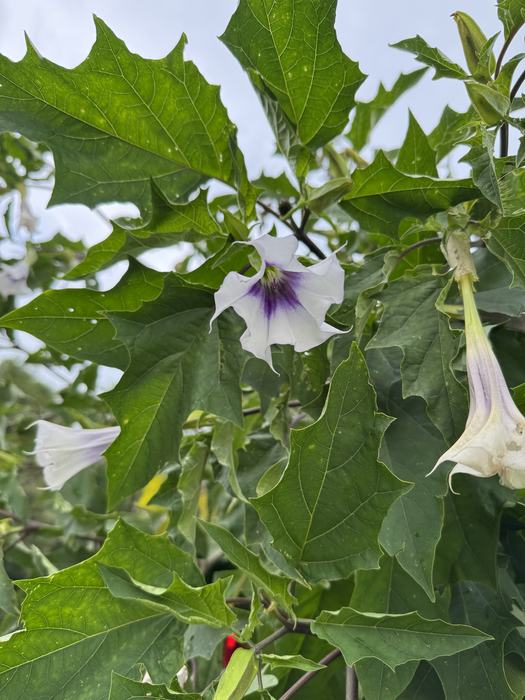
- Check your pastures for the deadly Jimson Weed and other poisonous weeds. Contact April if you need help with identification. Jimson weed can be dug up fairly easily.
August Forage Tips
(Updated: Aug. 14, 2025, 6:06 a.m.)
Contact April Bowman, Stokes County Livestock Extension Agent, with questions, by email at awbowman@ncsu.edu or call the Stokes Extension Center at 336-593-8179.
Join our mailing list!
Enter your email address to receive updates.
Written By

More About