Now that the weather is warming up many growers and gardeners are starting to plant their gardens. Whether you enjoy flower gardening, vegetable gardening or both, you may consider raising your plants or buying them. Maybe you are trying to grow your own plants from seed or just buy a few plants. Now here is the tough question: why do you buy seeds, transplants or both? Let's go over the benefits and differences that might help you answer this question.
Seeds or Transplants?
(Updated: April 27, 2022, 12:28 p.m.)
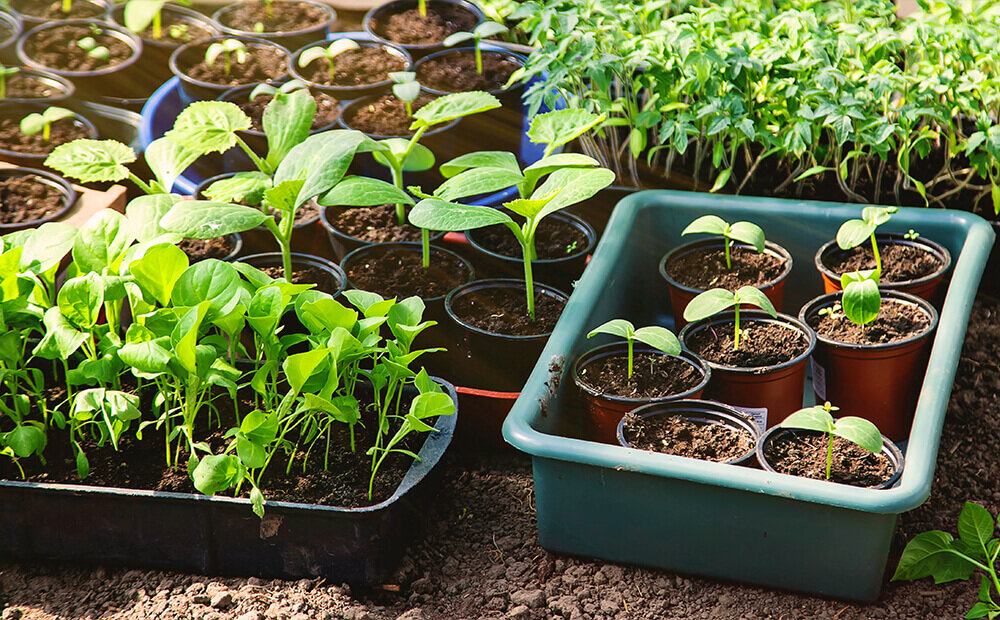
Seeds
First, seeds are affordable and provide a wide variety of options when purchasing. If you purchase seeds, be sure they are from a reputable source so they are more likely to have good germination rates. Many seeds will keep for several years if handled properly, but it is best to buy seeds only for the year you intend to plant them. Seed packs should have the date of the germination test and the results as a percentage.
Transplants
Some considerations are key when purchasing transplants from garden centers and greenhouses. The main rule is to be selective. Look for healthy transplants, buy transplants no more than a day or two prior to planting. It’s always best to plant within the same day of purchase. If this isn’t possible, keep them watered and in a shaded location until you can plant them in the ground. You might want to research the transplants before buying them. The best success is found when planting what is planned. Plant tags have basic planting instructions.
For Some Crops, Seeds are Preferable
In general crops with large seeds do very well when direct-seeded. In addition, most root crops are not very tolerant of transplanting. For the crops below, planting seeds is strongly preferred or almost mandatory.
-Beans and peas
-Corn
-Cucurbits (vine crops) such as squash, melons, cucumbers
-Root crops such as turnips, carrots, and radishes
In the end, for most crops it’s a matter of preference and many gardeners will use a combination of methods. So grow what you would like and enjoy the garden. If you have further questions, contact Bryan Hartman at bkhartman@ncat.edu or (336) 593-8179.
Join our mailing list!
Enter your email address to receive updates.
Written By

More About