As the weather turns cold, we begin to turn towards planning for fall and winter pasture management. It's also the time that we begin to notice dying or dead warm season species, such as broomstraw (also known as broomsedge). Broomstraw is a native warm season perennial species, meaning that it grows during the summer months and will return year after year.
The Burden of Broomstraw
(Updated: March 2, 2026, 10:02 a.m.)
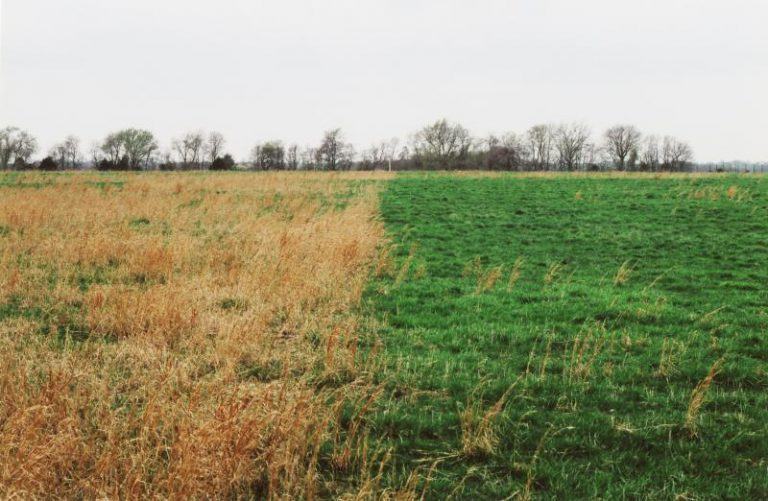
Pasture on the left received no phosphorus fertilizer, pasture on right received phosphorus fertilizer according to soil test results. Courtesy of Lime or Phosphorus: Which is Best to Limit Broomsedge in Tall Fescue Pastures? Blevins et al. 2018
Broomstraw is not palatable to livestock as it matures, making it very undesirable to have in most forage settings. Cattle will graze broomstraw when it is young, which can be helpful in reducing broomstraw pressure. Once mature, cattle will no longer graze it, giving it a competitive edge over tall fescue or other desirable species.
Research has shown that broomstraw prefers low fertility and low pH soils, making this species arguably one of the most preventable in forage settings and one of the best "indicator" species we have. Research completed in Missouri has shown that pasture not receiving lime or phosphorus fertilizer for 3 years had broomstraw content increase nearly 3 times the initial content.
The best way to begin eliminating broomstraw from pastures is to soil test the area and apply amendments (lime, nitrogen, phosphorus, and potassium) according to recommendations. Herbicide control alone is not effective, as broomstraw will continue to flourish in poor soils. When combined with proper soil fertility, herbicides such as glyphosate can be a helpful tool in the fight against broomstraw when spot applied. As with most weed infestations, it is important to remember that a large amount of broomstraw did not appear overnight, and alternatively will not disappear overnight. Remain patient and vigilant in maintaining proper soil fertility, and the results should follow.
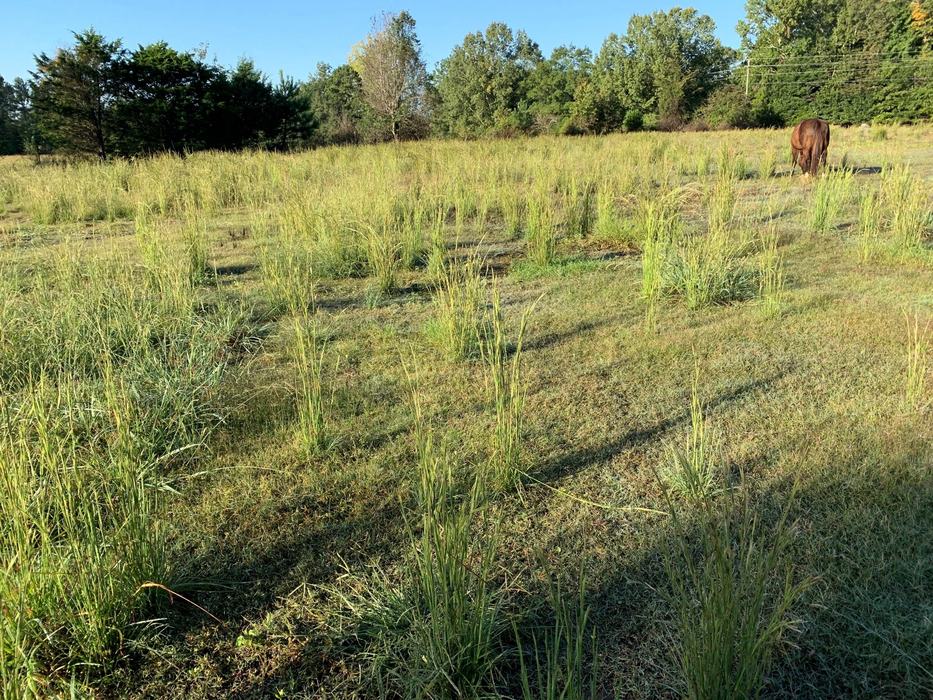
Broomstraw before maturity. Courtesy of Alabama Cooperative Extension Service.
Join our mailing list!
Enter your email address to receive updates.
Written By